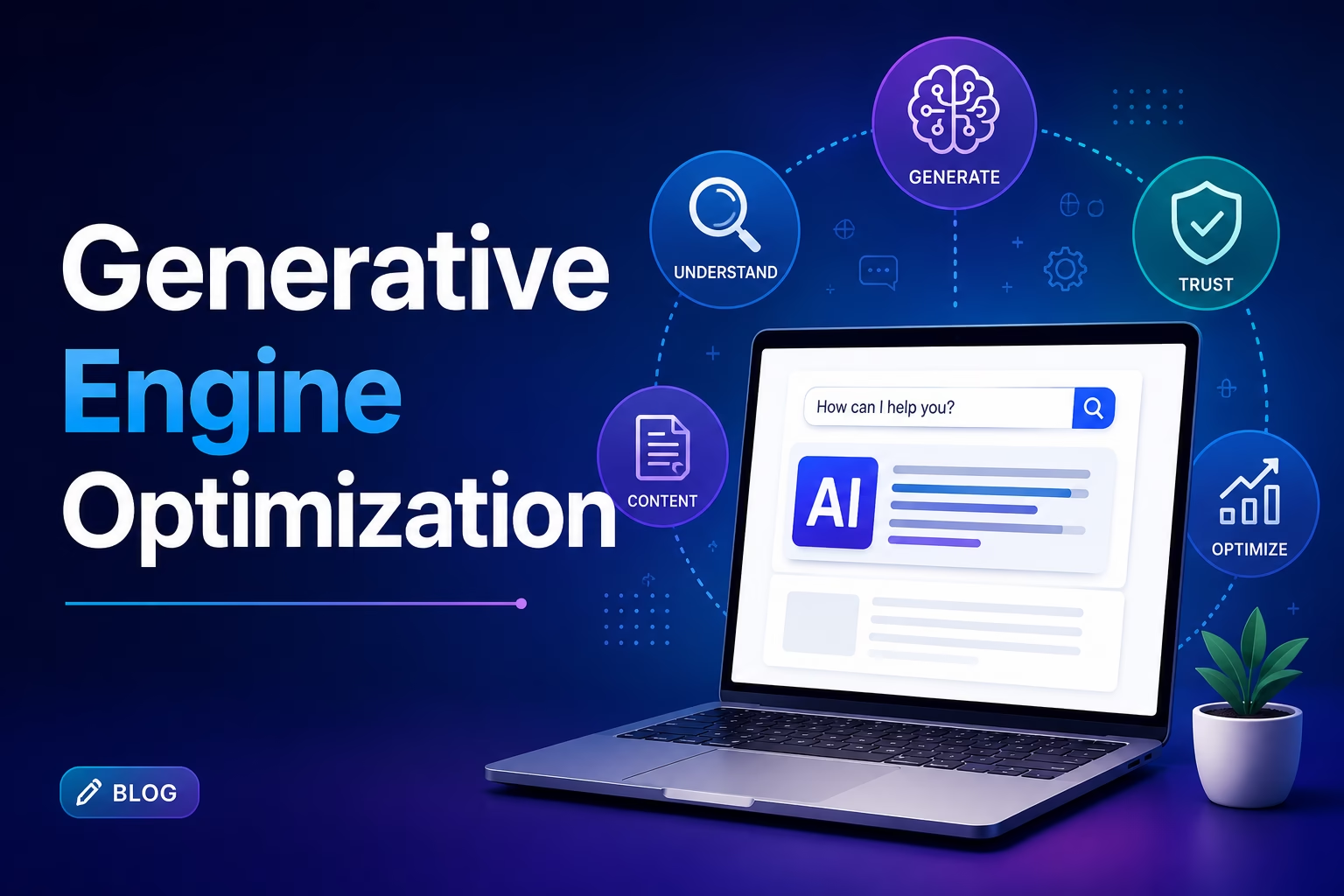
The digital search landscape is evolving at an unprecedented pace, and Generative Engine Optimization (GEO) is becoming an essential part of modern digital marketing. For years, businesses have relied on Search Engine Optimization (SEO) to improve their rankings on search engines like Google and Bing. The goal was simple: optimize web pages with relevant keywords, build quality backlinks, and create valuable content to attract organic traffic. While SEO remains a crucial strategy, the rise of artificial intelligence (AI) is fundamentally changing how people search for information online.
Generative Engine Optimization (GEO) helps businesses optimize their content for AI-powered search platforms, ensuring it is understood, trusted, and referenced in AI-generated responses, making it a key strategy for the future of online visibility. The digital search landscape is evolving at an unprecedented pace. For years, businesses have relied on Search Engine Optimization (SEO) to improve their rankings on search engines like Google and Bing. The goal was simple: optimize web pages with relevant keywords, build quality backlinks, and create valuable content to attract organic traffic. While SEO remains a crucial part of digital marketing, the rise of artificial intelligence (AI) is fundamentally changing how people search for information online.
Today, users are increasingly turning to AI-powered platforms such as ChatGPT, Google AI Overviews, Google AI Mode, Gemini, Microsoft Copilot, Claude, and Perplexity AI for quick, conversational, and personalized answers. Instead of browsing through multiple search results and clicking on several websites, users can now ask a question in natural language and receive a comprehensive response within seconds. This shift from traditional search results to AI-generated answers is transforming the way businesses connect with their audiences.
As AI search continues to grow, simply ranking on the first page of search results is no longer enough. Businesses now need to ensure that their content is not only discoverable by search engines but also understandable, trustworthy, and valuable enough for AI models to reference and recommend. This is where Generative Engine Optimization (GEO) comes into play.
Generative Engine Optimization (GEO) is a modern digital marketing strategy that focuses on optimizing content for AI-powered search engines and generative AI platforms. Its primary objective is to increase the likelihood that your content will be understood, trusted, and incorporated into AI-generated responses. Unlike traditional SEO, which emphasizes improving rankings through keywords and backlinks, Generative Engine Optimization prioritizes creating high-quality, well-structured, experience-based, and authoritative content that effectively answers users’ questions.
For example, imagine a user asks an AI assistant, “What is the best digital marketing strategy for a small business?” Instead of displaying a list of websites, the AI generates a detailed response by analyzing information from multiple trusted sources. If your content is comprehensive, accurate, and demonstrates expertise, it has a much better chance of being referenced or influencing that AI-generated answer. This provides businesses with a new opportunity to increase brand visibility, establish authority, and reach potential customers without relying solely on traditional search rankings.
The importance of Generative Engine Optimization is growing as AI becomes more integrated into everyday search experiences. Millions of users now depend on AI assistants to research products, compare services, learn new skills, and make purchasing decisions. As this trend accelerates, businesses that fail to optimize for AI search risk losing valuable visibility, even if they rank well in conventional search results.
Another significant advantage of Generative Engine Optimization is its emphasis on delivering genuine value to users. AI models favor content that demonstrates Experience, Expertise, Authoritativeness, and Trustworthiness (E-E-A-T). Businesses that publish original research, detailed guides, case studies, expert insights, and regularly updated information are more likely to earn recognition from both AI systems and human readers. This encourages the creation of helpful, people-first content rather than content written solely to satisfy search engine algorithms.
It’s also important to understand that Generative Engine Optimization is not intended to replace traditional SEO. Instead, it complements and strengthens existing SEO efforts. A successful digital marketing strategy in 2026 and beyond should combine technical SEO, high-quality content, Answer Engine Optimization (AEO), and Generative Engine Optimization to maximize visibility across both traditional search engines and AI-powered search platforms.
As AI technology continues to evolve, the future of online search will increasingly depend on trust, context, and content quality rather than keyword density alone. Businesses that begin implementing Generative Engine Optimization today will be better positioned to adapt to these changes, build stronger relationships with their audience, and maintain a competitive advantage in the rapidly changing digital landscape.
In this comprehensive guide, you’ll learn what Generative Engine Optimization is, how it works, why it matters for modern businesses, how it differs from traditional SEO, and the practical strategies you can implement to optimize your website for AI-powered search engines and generative AI platforms. By the end of this guide, you’ll have a clear understanding of how Generative Engine Optimization can help future-proof your digital marketing strategy and improve your online visibility in the age of AI.
What Is Generative Engine Optimization (GEO)?
Generative Engine Optimization (GEO) is the process of optimizing your website, content, and digital presence so that AI-powered search engines and generative AI platforms can easily understand, trust, and reference your information when generating answers to users’ questions. Unlike traditional SEO, which focuses on improving rankings in search engine results pages (SERPs), Generative Engine Optimization aims to make your content a reliable source that AI systems can use to create accurate and helpful responses.
As AI-powered platforms such as ChatGPT, Google AI Overviews, Google AI Mode, Microsoft Copilot, Gemini, Claude, and Perplexity AI become more popular, users are changing the way they search for information. Instead of typing short keywords and browsing multiple web pages, people now ask complete questions in natural language and expect instant, conversational answers. For example, a user might ask, “What are the best digital marketing strategies for a small business?” Rather than displaying a list of websites, the AI generates a detailed response by analyzing information from multiple trusted sources. If your content is well-written, accurate, and authoritative, it has a greater chance of being included in or influencing that AI-generated answer.
The main objective of Generative Engine Optimization is to help AI systems recognize your content as credible, relevant, and valuable. This involves creating original, high-quality content that answers users’ questions comprehensively while demonstrating Experience, Expertise, Authoritativeness, and Trustworthiness (E-E-A-T). AI models prioritize content that is factually accurate, easy to understand, well-structured, and regularly updated. Websites that consistently provide valuable information are more likely to be referenced by AI-powered search engines.
Unlike traditional SEO, which often emphasizes keywords, backlinks, and rankings, Generative Engine Optimization focuses on context, semantic relevance, and user intent. It encourages businesses to write naturally, organize content with clear headings and FAQs, implement structured data (schema markup), and build topical authority by covering subjects in depth. This makes it easier for AI systems to interpret the meaning of your content and determine when it is relevant to a user’s query.
For businesses, Generative Engine Optimization offers significant opportunities. When AI platforms recognize your website as a trusted source, your brand can gain greater visibility, attract qualified traffic, build credibility, and reach potential customers earlier in their decision-making journey. As AI search continues to grow, implementing Generative Engine Optimization is becoming an essential part of a modern digital marketing strategy.
In simple terms, Generative Engine Optimization (GEO) is the next evolution of search optimization. It goes beyond helping your website rank on search engines—it helps your content become a trusted resource that AI-powered platforms can understand, reference, and recommend. Businesses that adopt Generative Engine Optimization today will be better prepared for the future of AI-driven search and will have a stronger competitive advantage in the digital landscape.
How Generative Engine Optimization Works
Generative Engine Optimization (GEO) works by helping AI-powered search engines understand, evaluate, and trust your content so it can be used in AI-generated responses. Unlike traditional search engines that mainly rank web pages based on keywords and backlinks, generative AI platforms analyze the meaning, context, accuracy, and credibility of your content before deciding whether to reference it. The goal of Generative Engine Optimization is to make your website a reliable source that AI systems can confidently use to answer users’ questions.
The process begins when a user asks a question on platforms like ChatGPT, Google AI Overviews, Gemini, Microsoft Copilot, Claude, or Perplexity AI. The AI first understands the user’s intent rather than simply matching keywords. It then searches for relevant and trustworthy information from indexed web pages, knowledge sources, and authoritative websites. Using advanced language models, the AI evaluates the quality of the content by considering factors such as relevance, clarity, expertise, freshness, and trustworthiness.
If your website follows Generative Engine Optimization best practices—such as publishing original content, using clear headings, answering user questions directly, demonstrating E-E-A-T (Experience, Expertise, Authoritativeness, and Trustworthiness), and maintaining updated information—your content has a greater chance of being included or influencing the AI-generated response. Well-structured articles with FAQs, schema markup, and natural language also make it easier for AI systems to understand your content.
For example, if a user asks, “What are the benefits of digital marketing for small businesses?”, an AI search engine will analyze trusted sources and generate a detailed answer. If your article provides comprehensive, accurate, and well-organized information on this topic, the AI may use your content to create its response or recommend your website as a trusted resource.
In simple terms, Generative Engine Optimization works by combining high-quality content, technical optimization, topical authority, and trust signals to improve your visibility in AI-powered search. Instead of focusing only on search rankings, GEO helps your business become a reliable source of information that AI platforms can understand, reference, and recommend to users. As AI search continues to grow, implementing Generative Engine Optimization will play an increasingly important role in helping businesses reach their target audience and stay competitive in the digital landscape.
Why Generative Engine Optimization Is Important for Businesses
The way people search is changing. Many users now prefer asking AI assistants instead of typing traditional search queries.
Implementing Generative Engine Optimization can help businesses:
- Increase visibility in AI-generated answers.
- Build trust and industry authority.
- Reach customers earlier in the buying journey.
- Improve brand recognition across AI platforms.
- Stay competitive in the future of search.
- Drive qualified traffic from AI-powered experiences.
Businesses that ignore Generative Engine Optimization may lose visibility as AI search becomes more common.
Generative Engine Optimization vs Traditional SEO
Although SEO and GEO work together, they focus on different outcomes.
| Feature | Traditional SEO | Generative Engine Optimization |
|---|---|---|
| Goal | Rank in search results | Be referenced by AI-generated responses |
| Focus | Search engine algorithms | AI language models |
| Content | Keyword optimization | Helpful, comprehensive, and authoritative content |
| Success Metric | Rankings and clicks | AI citations, mentions, and recommendations |
| User Experience | Search results | Direct AI-generated answers |
The best strategy is to combine SEO with Generative Engine Optimization to maximize online visibility.
Step-by-Step Process to Implement Generative Engine Optimization
Step 1: Research User Intent
Identify what your audience wants to know using keyword research tools, customer questions, and AI search trends.
Step 2: Build Topic Clusters
Instead of publishing isolated articles, create related content around one main topic.
For example:
- What Is Generative Engine Optimization?
- GEO vs SEO
- GEO vs AEO
- AI Search Optimization
- Google AI Overviews Guide
Interlink these articles to build topical authority.
Step 3: Create Comprehensive Content
Write detailed articles that answer questions thoroughly while remaining easy to read.
Step 4: Optimize Technical SEO
Ensure your website is:
- Fast
- Mobile-friendly
- Secure (HTTPS)
- Easy to crawl
- Properly indexed
Step 5: Use Structured Data
Implement schema such as:
- Article Schema
- FAQ Schema
- Organization Schema
- Breadcrumb Schema
Step 6: Build Authority
Earn backlinks, publish guest posts, collect reviews, and maintain an active online presence.
Step 7: Monitor Performance
Track impressions, traffic, and user engagement using analytics tools, then improve your content continuously.
Common Mistakes to Avoid in Generative Engine Optimization
Many businesses reduce their chances of AI visibility by making avoidable mistakes.
Avoid:
- Publishing thin or low-quality content.
- Overusing keywords unnaturally.
- Ignoring user intent.
- Copying content from competitors.
- Neglecting technical SEO.
- Using outdated information.
- Failing to demonstrate expertise.
- Omitting FAQs or structured data.
- Not updating content regularly.
Focus on creating genuine value instead of trying to manipulate AI systems.
The Future of Generative Engine Optimization
As AI search technology continues to evolve, Generative Engine Optimization will become an essential part of digital marketing. Businesses that consistently publish trustworthy, experience-driven, and user-focused content will have a greater chance of being recognized by AI-powered search engines.
The future belongs to brands that prioritize quality, transparency, and expertise over shortcuts. Investing in Generative Engine Optimization today can help businesses build stronger online visibility and adapt to the next generation of search.
Final Thoughts
Generative Engine Optimization is redefining how businesses approach online visibility. While traditional SEO remains important, optimizing for AI-powered search is becoming equally critical. By creating high-quality, well-structured, and authoritative content, businesses can improve their chances of being featured in AI-generated responses, strengthen brand trust, and attract more qualified visitors.
Rather than viewing Generative Engine Optimization as a replacement for SEO, think of it as the next evolution of search optimization. Businesses that combine SEO, GEO, and user-first content strategies will be well-positioned to thrive in the AI-driven future of search.
How StubbSpire Digital Marketing Agency Helps with Generative Engine Optimization
At StubbSpire Digital Marketing Agency, we help businesses improve their visibility in AI-powered search by implementing effective Generative Engine Optimization (GEO) strategies. Our approach focuses on creating high-quality, people-first content, optimizing website structure, strengthening technical SEO, implementing schema markup, and building topical authority. We also ensure your content follows E-E-A-T principles, making it more trustworthy for both users and AI platforms like ChatGPT, Google AI Overviews, Gemini, and Microsoft Copilot. By combining our digital marketing expertise with the latest AI search optimization techniques, we help businesses stay competitive and grow their online presence in the evolving digital landscape.
Frequently Asked Questions (FAQs)
1. What is Generative Engine Optimization (GEO)?
Generative Engine Optimization (GEO) is the process of optimizing your website and content so AI-powered search engines like ChatGPT, Google AI Overviews, Gemini, and Perplexity can understand, reference, and recommend your content.
2. How is Generative Engine Optimization different from SEO?
Traditional SEO focuses on improving search engine rankings, while Generative Engine Optimization helps your content appear in AI-generated answers and recommendations.
3. Why is Generative Engine Optimization important for businesses?
GEO increases your brand’s visibility in AI search, builds trust, attracts qualified traffic, and helps businesses stay competitive as AI-powered search continues to grow.
4. Which AI platforms use Generative Engine Optimization?
GEO is relevant for platforms such as ChatGPT, Google AI Overviews, Google AI Mode, Gemini, Microsoft Copilot, Claude, and Perplexity AI.
5. What are the key elements of Generative Engine Optimization?
The main elements include creating high-quality content, following E-E-A-T principles, using structured data (schema markup), optimizing technical SEO, building topical authority, and regularly updating content.
6. Can small businesses benefit from Generative Engine Optimization?
Yes. GEO helps businesses of all sizes improve their online visibility, build credibility, and reach potential customers through AI-powered search.
7. Does Generative Engine Optimization replace traditional SEO?
No. GEO complements traditional SEO. Combining both strategies provides better visibility in search engines and AI-generated search results.
8. How can StubbSpire Digital Marketing Agency help with Generative Engine Optimization?
StubbSpire Digital Marketing Agency helps businesses implement effective GEO strategies by creating AI-friendly content, optimizing websites, improving technical SEO, and building topical authority to increase visibility in AI-powered search platforms.
Author Bio
StubbSpire Digital Marketing Agency is a results-driven digital marketing agency specializing in SEO, Generative Engine Optimization (GEO), Answer Engine Optimization (AEO), content marketing, web development, social media marketing, and performance marketing. Our team is passionate about helping businesses improve their online visibility, attract qualified leads, and achieve sustainable growth. By staying up to date with the latest AI search trends and Google’s evolving algorithms, we create data-driven strategies that help brands succeed in today’s competitive digital landscape.